
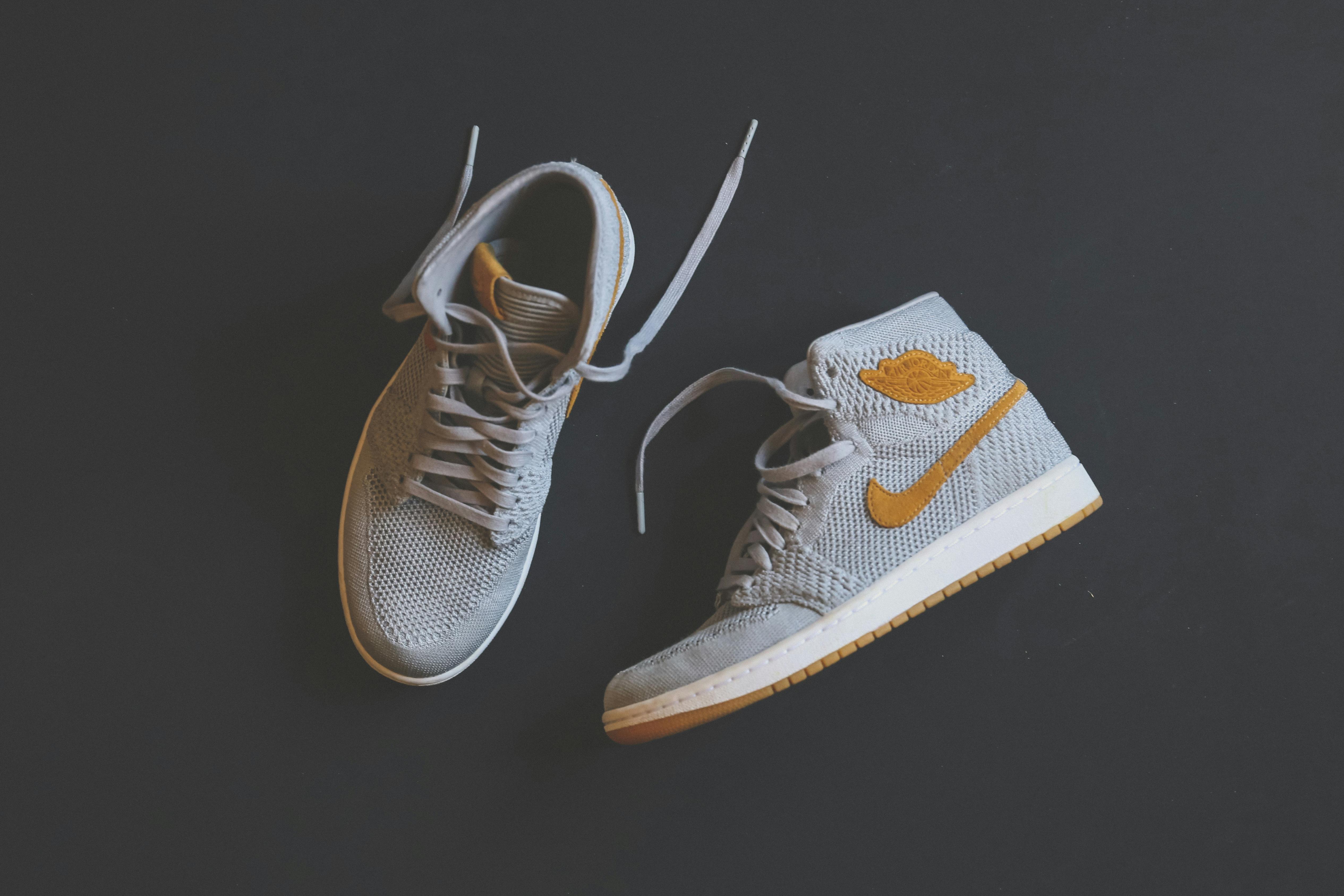
Nike Jordans Range Bred Colorway
Why Nike Air Jordan Trainers Continue to Be Unparalleled for Day-to-Day Wear
Head down any urban block in 2026 and count the Jumpmans. On metro stations, in cafes, across campus quads and corporate offices — Air Jordan trainers are all around, worn by people who may not understand a single thing about basketball but instinctively recognize superior footwear. That popularity is not an accident. Over four decades, Jordan Brand has built sneakers that merge sports legacy with true extended wearability, underpinned by materials and construction that outlast most competitors at the same price bracket. This is a honest, research-backed look at why Air Jordans persistently eclipse the competition as everyday shoes for men who expect their footwear to accommodate demanding, varied lives. From cushioning tech to construction quality to raw versatility, here is why trainers with the Jumpman logo consistently claim their place in daily rotations around the world.
Cushioning Innovation Designed for Practical Living
Air Jordan trainers leverage decades of Nike’s cushioning R&D, and that benefit becomes apparent through real comfort during full days on your feet. The encapsulated Nike Air units in silhouettes such as the Air Jordan 1, 3, and 4 use compressed gas chambers within polyurethane shells to dampen impact at the heel, minimizing shock felt by joints on hard surfaces. More cutting-edge silhouettes like the Air Jordan 11 and 12 feature Zoom Air units — thin, tensile fiber-loaded cushions providing energetic energy return you can actually feel when walking across concrete and office floors. External biomechanics testing has shown Zoom Air lowers highest impact forces by approximately 12 to 15 percent compared to standard EVA foam used in competing lifestyle shoes. The Air Jordan 34 and newer performance models unveiled Eclipse plates and React foam that have commenced making their way into lifestyle releases. Unlike aesthetic-first footwear that focus on aesthetics at the detriment to underfoot feel, Jordan trainers are crafted by the same team that designs shoes for professional athletes. You might pick up Air Jordans for how they look, but you stick with them for how they perform at hour eight of a work day.
Materials That Validates the Price
The materials in Air Jordan construction consistently beat what competitors provide at the $150 to $200 price point, resulting in durability and everyday air jordan usability. Premium tumbled leather on the Air Jordan 1 and Jordan 12 acquires a stunning patina over time rather than deteriorating or cracking — these shoes truly get more attractive after six months of wear than on day one. Nubuck panels on the Jordan 4 and 5 resist scuffing reliably and maintain their texture through hundreds of wears with routine maintenance. Rubber outsoles use exclusive Nike compounds formulated for durability on multiple surfaces, ensuring dependable traction on damp ground, office floors, and uneven pavement. Stitching features double and triple-reinforced patterns at vulnerable points like the toe box flex zone, which is where cheaper sneakers give out first. Internal linings use quick-drying textiles that minimize sweat buildup and stench — a significant difference for routine wearers. Stacking a $180 Air Jordan 4 against a $180 competitor, the Jordan reliably offers heavier foam, thicker leather, and more sturdy construction.
Adaptability Across Every Setting
One of the most underrated advantages of Air Jordan trainers is their capacity to flow effortlessly between situations and dress codes throughout a single day. The Air Jordan 1 Low in a neat monochrome colorway works with a suit in a modern office, changes to jeans for an post-work dinner, and blends seamlessly at a concert later that evening. This universal versatility is rare — most formal shoes struggle with casual settings, and most running shoes seem out of place in professional ones, but Jordans occupy a singular middle ground. The range of available colorways signifies there is a Jordan for every aesthetic and occasion without swapping pairs throughout the day. Year-round versatility brings another advantage: high-tops deliver warmth for fall and winter, while low-tops ensure breathability for spring and summer. Style magazines from GQ to Highsnobiety frequently showcase Air Jordans in style guides covering workwear to weekend casual, validating what loyal fans have recognized for years.
Build Longevity That Beats the Competition
| Longevity Criterion | Air Jordans | Ordinary Lifestyle Sneaker |
|---|---|---|
| Upper Construction | Full-grain / tumbled leather, nubuck | Synthetic leather, canvas |
| Outsole Compound | Premium Nike rubber | Standard rubber / EVA |
| Stitching | Double/triple-reinforced at stress points | Basic stitching, glued panels |
| Midsole Lifespan | Air units keep shape 3–5 years | EVA foam flattens in 6–18 months |
| Typical Wearable Lifespan | 3–5 years with consistent rotation | 1–2 years |
| Used Resale Value | Keeps 30–60% of retail | Near zero |
The Economics of Routine Jordans
Critics often highlight the $170 to $200 retail price as a hurdle, but cost-per-wear economics presents a contrasting story. A pair of Air Jordan 4s bought for $200 and worn twice per week in a five-pair rotation will last three to four years, yielding a cost per use of roughly $0.50 to $0.65 — competitive with budget sneakers priced at $60 that deteriorate within six months. Air cushioning systems hold springy properties for thousands of compression cycles, which means year-three cushioning performs only barely different from day one, unlike EVA foam that flattens within 12 to 18 months. The resell worth introduces another monetary consideration: even after a year of normal wear, desirable models sell on GOAT for 30 to 60 percent of retail, essentially offsetting your next pair. Jordan Brand also releases a extensive spectrum of price points, with the Air Jordan 1 Low starting at $110 and delivering the same design DNA as pricier siblings. When you weigh durability, kept resale value, and lasting cushioning lifespan, Air Jordans represent one of the best deals in casual footwear. The upfront cost you pay at the start is returned many times over through years of consistent comfort and lasting style.
Social Currency You Are Unable to Obtain Elsewhere
Beyond concrete performance statistics, Air Jordans possess unquantifiable cultural significance that no competing brand has replicated in over forty years. Putting on Jordans communicates inclusion in a worldwide community spanning basketball courts, rap stages, skateparks, fashion weeks, and executive suites. According to a 2025 survey by Morning Consult, Jordan Brand is positioned as the number-one most-recognized sneaker brand among men aged 18 to 40, with favorability exceeding every competitor. The Jumpman logo has evolved into one of the most recognizable symbols in consumer culture, spotted across nations and eras. This recognition means your Air Jordans earn positive comments from people you’ve never met, spark dialogue with fellow fans, and are quickly spotted in photographs on social media. No other casual shoe in 2026 offers this combination of comfort, quality, and cultural capital in a single pair.
How to Make the Most of Your Routine Jordans
Optimizing your Air Jordans as daily shoes requires a small investment of time and elementary care. Switch between at least three pairs to grant each shoe 48 hours of rest, letting cushioning foam to decompress and internal moisture to escape thoroughly between wears. Wash your Jordans every two to three weeks with a gentle brush and light soap, focusing on the midsole and outsole where grime hastens wear. Apply leather treatment like Lexol every two months to ensure uppers moisturized, especially during cold winter months when heated air draws moisture from real materials. Use cedar shoe trees when your Jordans are not being worn to keep toe-box form and absorb residual odor. Treat suede and nubuck models with a waterproofing spray from Jason Markk before first wear, establishing an undetectable barrier against surprise rain or spills. Keeping up with this regimen keeps Air Jordans appearing new and performing well for years, guaranteeing the shoes you love today remain just as rewarding three years from now.