
Exploring the psychological impacts of gambling What really drives the urge to play
Exploring the psychological impacts of gambling What really drives the urge to play
The Nature of Gambling Addiction
Gambling addiction is often misunderstood, viewed merely as a lack of self-control. However, it is a complex psychological condition that can affect anyone. Individuals might turn to gambling as a way to escape from stress or negative emotions, seeking the temporary thrill that comes with the possibility of winning. This thrill releases dopamine in the brain, creating a cycle that encourages more gambling, as players chase the euphoric feelings associated with wins. Just like the numerous offerings at extremespins32.com, the excitement of playing can lure individuals into a life of dependency.
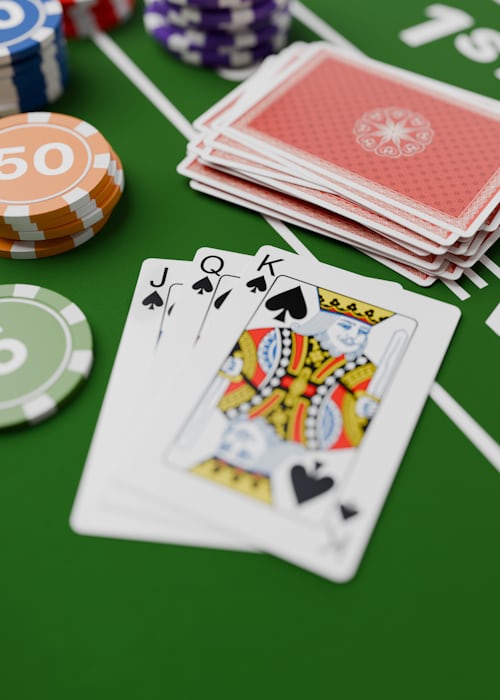
Additionally, cognitive distortions play a significant role in gambling behavior. Many gamblers develop a belief in their own abilities, often convinced that they can outsmart the system. They may experience what is known as the “gambler’s fallacy,” where they believe that past outcomes influence future results. This misguided thinking can lead to persistent gambling despite mounting losses, further entrenching them in the cycle of addiction.
Furthermore, social and environmental factors can exacerbate gambling addiction. Individuals who grow up in environments where gambling is normalized may be more susceptible to developing problematic behaviors. Peer pressure and the social aspect of gambling can also influence individuals, making it easier to justify risky behaviors. Understanding these underlying psychological factors is essential for addressing the issue and promoting responsible gambling tips.
Psychological Triggers Behind the Urge to Gamble
The urge to gamble often arises from various psychological triggers that impact an individual’s decision-making processes. One primary trigger is stress relief; many individuals gamble to escape from daily pressures or overwhelming emotions. This escapism can be particularly appealing during tough times, as the immediate gratification of a potential win offers a brief respite from reality. Unfortunately, this can create a dependency on gambling as a coping mechanism.
Another significant factor is the allure of excitement and risk. Humans are naturally drawn to thrilling activities, and gambling provides an adrenaline rush that can be addictive. The anticipation of a potential win activates the brain’s reward system, releasing chemicals that promote feelings of pleasure. This physiological response reinforces the desire to gamble, as individuals seek to replicate the rush that comes with high-stakes betting.
Additionally, the social aspects of gambling can be a significant motivator. Many people enjoy the camaraderie that comes with visiting casinos or participating in online gaming platforms. Engaging with friends or fellow gamblers creates a sense of community, making the act of gambling more appealing. Unfortunately, this social dimension can contribute to compulsive gambling, particularly when individuals feel pressured to keep up with their peers or to engage in gambling activities to maintain social connections.
The Impact of Cognitive Biases
Cognitive biases significantly influence the gambling experience, shaping how individuals perceive risk and reward. One common bias is the illusion of control, where players believe they have more influence over the outcome than they actually do. This belief can lead individuals to place larger bets or engage more frequently in gambling, as they feel they can affect the game’s outcome through skill or strategy.
The availability heuristic is another cognitive bias affecting gamblers. When individuals hear about significant wins or see advertisements showcasing massive jackpots, they tend to overestimate their chances of winning. This can lead them to gamble more often, fueled by a false sense of security regarding their odds. In reality, the odds of winning are often stacked against them, yet this cognitive distortion persists.
Moreover, gamblers frequently experience selective memory, where they remember their wins more vividly than their losses. This skewed perception can create a false narrative that supports continued gambling, as individuals convince themselves that they are on the verge of a big win. Understanding these cognitive biases is crucial in developing responsible gambling strategies and mitigating the risks associated with gambling behaviors.
Recognizing and Addressing Gambling Disorders
Recognizing the signs of gambling disorders is essential for effective intervention and support. Common indicators include increased secrecy about gambling activities, lying about the amount of money lost, and using gambling as a means to escape from problems. Individuals may also withdraw from social relationships or experience significant distress regarding their gambling habits. Awareness of these signs can facilitate timely intervention and support from loved ones.
Addressing gambling disorders requires a multifaceted approach, including therapy and support groups. Cognitive-behavioral therapy (CBT) is one effective method, helping individuals recognize and change harmful thought patterns and behaviors associated with gambling. Support from groups like Gamblers Anonymous can also provide a community of individuals who understand the challenges of addiction, fostering a sense of belonging and accountability.
Additionally, responsible gambling initiatives are crucial in promoting healthier gambling behaviors. These initiatives often include educational programs that emphasize the importance of understanding odds, setting limits on spending, and recognizing when to take a break. Such resources empower individuals to gamble responsibly, ultimately reducing the risk of developing harmful behaviors.

Join the Community at Extreme Spins Casino
At Extreme Spins Casino, we understand the complexities surrounding gambling and the importance of responsible gaming. Our platform aims to provide a secure and enjoyable environment where players can explore thousands of games while also prioritizing their well-being. We offer various resources and tips for responsible gambling, encouraging users to set limits and be mindful of their gaming habits.
We are dedicated to creating a community where players can enjoy the thrill of gaming without compromising their mental health. Our user-friendly platform allows individuals to engage with others while promoting safe gaming practices. By joining us, players become part of a vibrant community that celebrates entertainment while respecting the importance of responsible gambling.
Ultimately, we strive to ensure that every gaming experience at Extreme Spins Casino is both exhilarating and mindful. By emphasizing the significance of mental health and encouraging responsible habits, we foster an environment that allows everyone to enjoy gaming in a balanced way. Join us today and be part of a responsible gaming community!